
Sean Walsh
Sean is a Director at Intelligency heading up our digital marketing and client services operations. Sean has 15+ years experiencing working both in-house and agency with brands including Lloyds, Alstom, Hitachi, Lufthansa, Viaplay, DFDS Seaways and Mercedes-Benz.
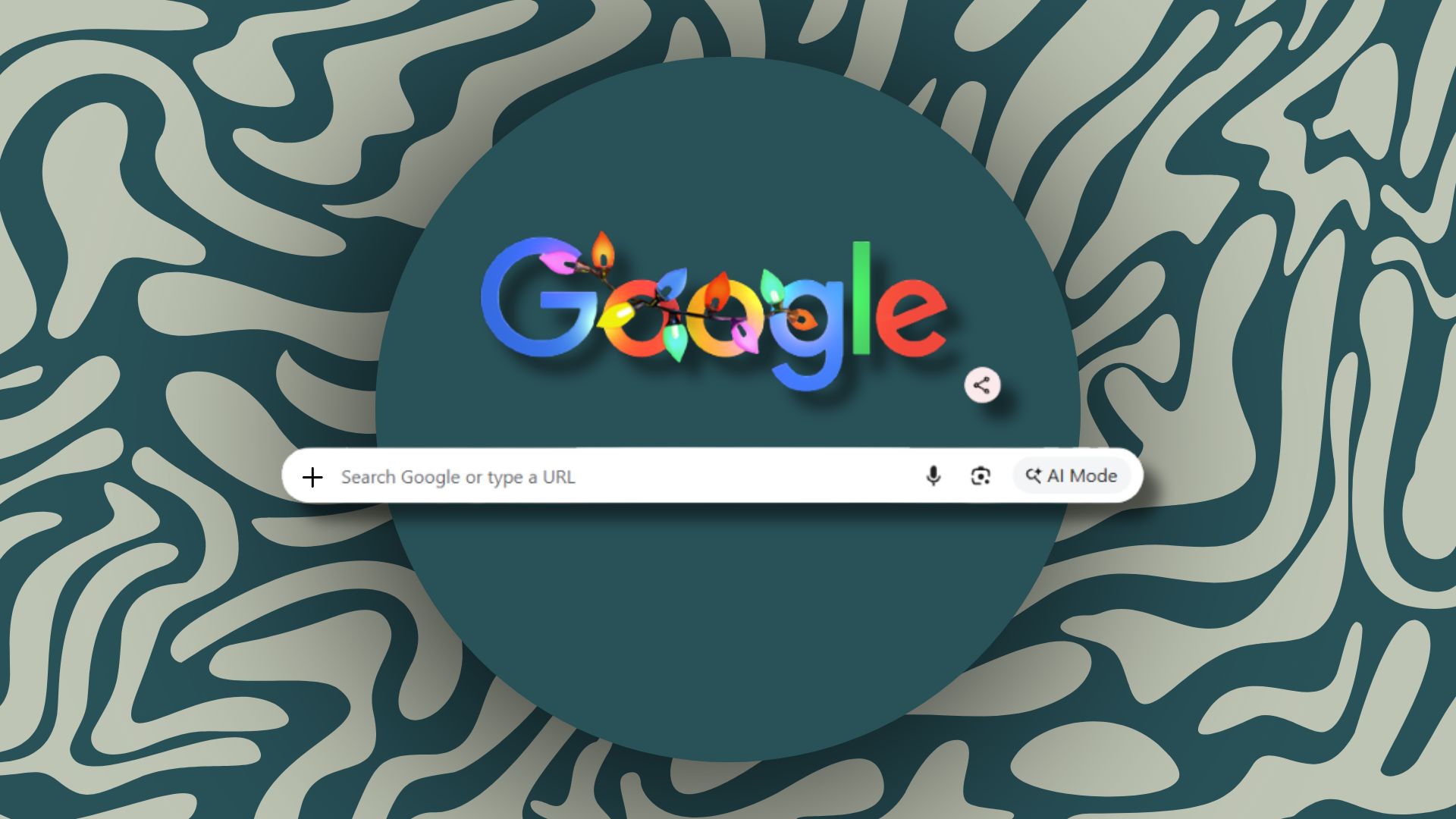
Google has quietly introduced a new behaviour on its home page: users can now upload a file or image directly into the main search bar, and instead of opening a standard results page or Google Lens, they are taken straight into AI Mode. It is a small visual change with a significant implication. The experience users see after uploading something is no longer the familiar list of search results but Google’s expanding AI driven interface.
What is AI Mode in Google
AI Mode is Google’s more conversational and generative search experience. Instead of showing a list of traditional links, AI Mode uses Google’s Gemini model to produce direct answers, summaries and recommendations. Users can then refine their query within a chat style interface.
The core idea is that Google handles more of the thinking for the user. Rather than searching through multiple webpages, AI Mode interprets intent and provides a single structured response. This makes the experience faster for users but offers fewer opportunities for websites to receive clicks.
A subtle update that changes user journeys
Previously, uploading an image through Google would trigger Google Lens or a traditional image search. The new upload button routes people directly into AI Mode. This reflects a wider pattern. Google has increasingly been guiding searchers towards AI Mode in multiple parts of its ecosystem. Examples include AI Overviews appearing more frequently, the AI Mode tab becoming more prominent, and even the Chrome address bar offering AI Mode as a pathway.
Although Google once stated that AI Mode would not become the default search experience, its product decisions suggest the opposite direction. Every new feature seems to reinforce AI Mode as the primary interface for search, discovery and query resolution.
Why this matters for digital marketers
For marketers, the shift brings real consequences. AI Mode does not behave like a standard results page. Users see fewer traditional links, and click-through rates are lower. The journey is more conversational and less oriented toward visiting websites.
This means brand visibility inside AI Mode becomes increasingly important. Marketers need to understand:
- How their brand or content is being cited within AI Mode
- Whether their site is referenced at all
- How rankings differ from traditional search
The performance you see in classic SERPs may not translate into this new environment. AI Mode often answers a query directly without sending users away, which makes measurement and optimisation more complex.
Preparing for an AI first search landscape
Although the shift is gradual, the direction is clear. Google is shaping a search experience where AI Mode plays a central role. Digital marketers will need to adapt strategies to ensure visibility in both traditional results and AI generated responses.
Checking your presence in AI Mode should now be a routine part of search monitoring. As this becomes a bigger part of how people search, early understanding will give brands an advantage while others wait for the shift to become impossible to ignore.