
Maisie Lloyd
Maisie is the Digital Content Manager at Intelligency, handling all things creative for the agency. Her experience centres around the production of digital content, pertaining to graphic design, writing copy, and video and audio content.
Is rebranding a safe idea for businesses?
Rebranding isn’t just a snap decision a company should make; it takes time, consideration, resources and can be taxing on a business if not done right, or it’s poorly received by the customers.
Whether a rebrand will achieve success or not will entirely depend on the suitability of a rebrand for the company. For some, rebrands rejuvenate businesses with branding that has gone stale. For others, it can be a sign of a complete lack of awareness of the impact of original branding.
What are the pros and cons of rebranding?
There are a number of advantages and pitfalls to rebranding; the appropriateness of a rebrand will always play a key part in how well a rebrand lands with audiences.
Pros
Rebranding sometimes can allow a business to elevate its brand identity to align with how it has evolved, or even how its customer base has evolved. This means the message and image of your brand correspond to the products or services you offer, which in turn helps the branding to feel authentic and well-fitting.
In a landscape where growth is static, businesses can revitalise their brand to pull in new engagement. Adapting branding can aid in attracting new audiences by appealing to them in ways that the branding wouldn’t have.
Rebranding can sometimes reposition businesses altogether, which can have benefits in itself. In cases where businesses may have reputationally suffered or have struggled to gain traction due to a competitive name, it creates an opportunity to re-emerge in a market.
Cons
The range of issues rebranding can pose for businesses is quite vast, and requires serious planning to ensure non-actualisation:
- Complete misalignment of rebranding, from visual to values and messaging, which then shows customers the business doesn’t understand their own brand value
- It can exhaust large amounts of resources
- Customers and audiences may become confused or alienated
- It can’t always undo previous business pitfalls; it is not a quick-fix solution
- Rebranding can impact the employees of the business; it’s a huge process shift which can sometimes break down morale and negatively impact staff
What are some well-known examples of successful rebrands?
Pringles
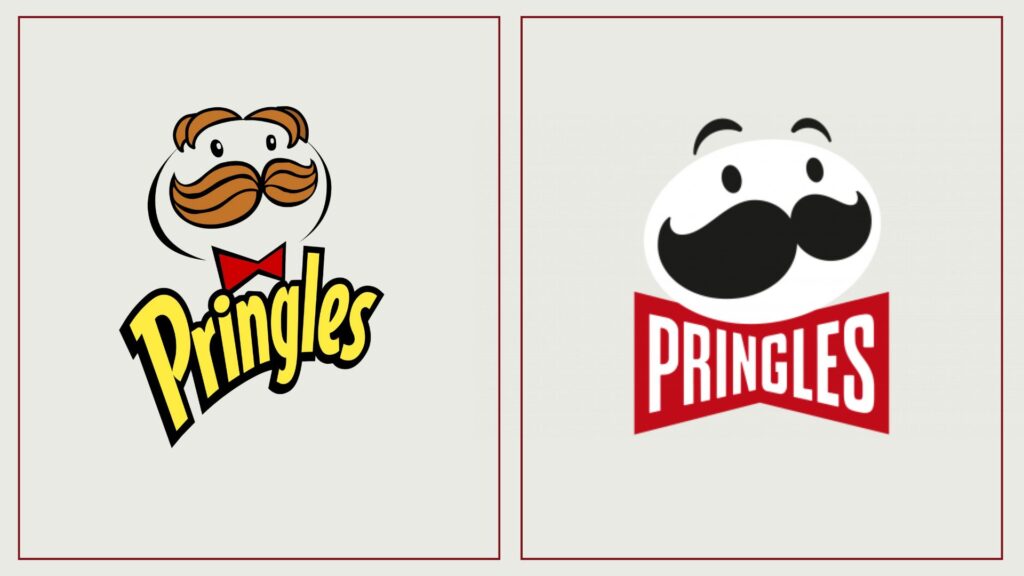
The Pringles rebrand back in 2021 was a subtle shift that integrated well with customers, both in stores and online. The minimalistic style adjustments help move the brand towards a more practical yet still recognisable identity.
The release of the rebrand fell upon the 30th anniversary of the company, so rather than being blindsided, it naturally worked into an already important date for the company. It works because there are still the core elements that make the brand what it is, without disenfranchising its customers.
Dunkin’ Donuts
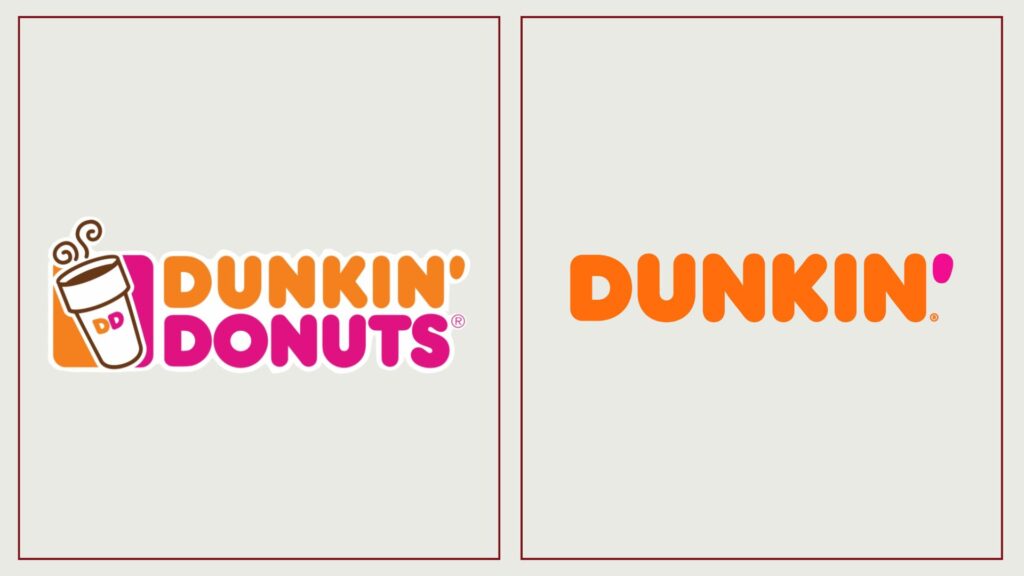
Formerly Dunkin’ Donuts, now recognised as Dunkin, shows again how simple rebranding, like dropping the second word, still works for audiences. The change was minor, not impacting how people identify with the brand. Instead. Listening to the customers who abbreviated the name and adjusting accordingly.
The change also positioned Dunkin’ as more than just a doughnut shop, tapping into a wider restaurant market, serving more than just sweet treats. What also worked is keeping recognisable elements of the brand intact, i.e. iconography and colour palettes.
Customers need to be able to feel like a brand is still familiar. Dunkin’ definitely demonstrates that familiarity is essential for rebranding success. Brands that champion authenticity and natural evolution grow with their audiences rather than growing apart from them.
What are some well-known examples of unsuccessful rebrands?
Jaguar
Jaguars’ Copy Nothing Rebrand in 2024 has to be one of the most memorable rebrand failures, where it couldn’t be clearer that what the brand aspired to did not align with the values or previous positioning of the business.
When they shirked their timeless and traditional aesthetic for new, simplistic and bold, the audience was alienated. Confusion around how a brand could be so off was a major point of discussion. It’s a great at demonstrating that in spite of a business wanting a newer, younger audience, when it hasn’t aligned with them previously. This then alienates the demographic that is dedicated to the previous form of branding. Essentially causing twice as many issues as it doesn’t land with the intended audience and harms the existing one.
Leeds United
When Leeds unveiled their new badge in 2018 to mark their centenary, the reaction from fans was overwhelmingly negative. Over 70,000 fans petitioned to reverse the change after feeling like the new design failed to represent the heritage, identity or values of the club.
The execution of the rebrand was fundamentally misjudged. From the unfamiliar American college-style design to the disconnect in messaging, the badge lacked the emotional and cultural impact that football branding depends on.
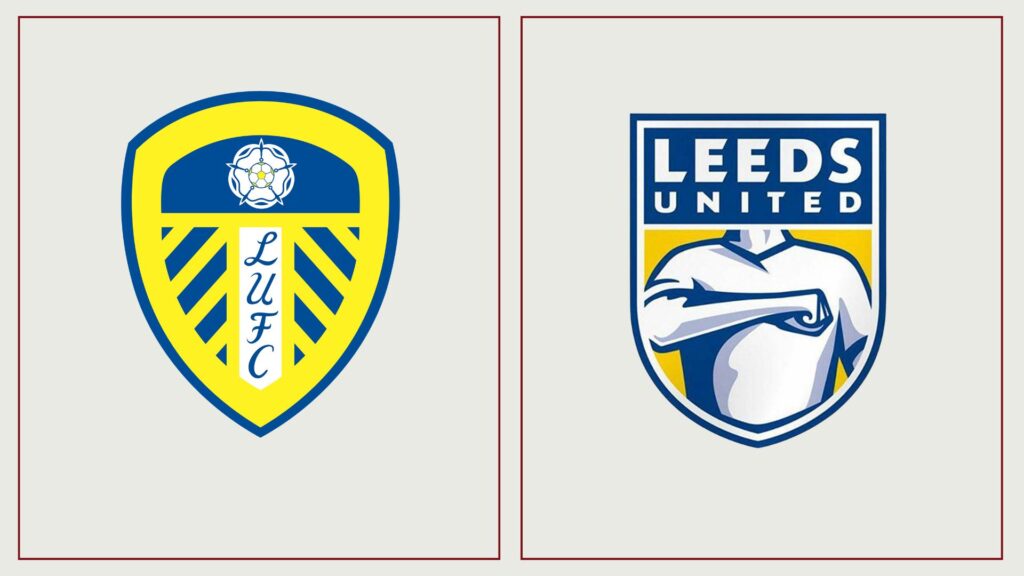
In a sector like sport, where identity is ingrained in the place, history and community, removing the rose from the crest strips fans of their regional pride. Which many supports deeply associate with the football club. Rather than achieving modernisation, they alienated fans.
This rebrand highlights a major lesson: when branding ignores the emotional ownership audiences feel, particularly when interwoven with heritage, even well-intended changes can feel disingenuous
Final thoughts
Rebranding can be a powerful move when it is driven by clarity, self-awareness and a genuine need for change. It is not about chasing trends or fixing deeper business issues through surface-level design, but about ensuring your brand truthfully reflects who you are, who you serve and where you are heading. When done with purpose and care, rebranding can strengthen relevance, rebuild trust and support long-term growth. When rushed or misjudged, it can dilute identity and distance loyal audiences. Ultimately, the success of a rebrand depends on understanding your brand first, then deciding whether evolution is necessary or if refinement, rather than reinvention, is the better path forward.