
Maisie Lloyd
Maisie is the Digital Content Manager at Intelligency, handling all things creative for the agency. Her experience centres around the production of digital content, pertaining to graphic design, writing copy, and video and audio content.
Is print media still relevant in 2026?
Print media was once the fabric of marketing. Before the 1990s, almost every successful campaign was accompanied by some form of print advertising. Since then, media has shifted and evolved into something entirely new. Today, a strong marketing approach combines print and digital to deliver campaigns that land both on and off screen. So, how can print be used to better advertise a business in 2026?
It starts with intention. Where print once dominated advertising, it now plays a more focused role. Product packaging, direct mail, and large-format advertising have become tools designed to convert, create recognition, and reinforce brand identity rather than simply promote visibility.
Product packaging, in particular, has become a powerful marketing tool. This ranges from the bold PR packages shared by influencers to more subtle design choices, such as the box a product arrives in. Print has transformed; it’s less about placing a product in the real world and more about creating impact and recognition through packaging, logos, and brand ephemera that people remember.
Direct mail continues to offer its own advantages. Whether it’s a newsletter, magazine, postcard, or flyer, print can cut through the noise of the internet. It bypasses pop-ups and fast-moving content, reaching audiences without competing for rankings or algorithm placement. In an increasingly crowded digital space, physical media can feel more deliberate and more personal.
At the same time, marketers are blending print and digital in new ways. QR codes and embedded links allow customers to move seamlessly from physical materials to digital experiences, creating interaction and encouraging engagement beyond the printed page.
Billboards and banners also remain relevant, although their purpose has shifted. Rather than simply occupying space, modern outdoor advertising aims to be culturally relevant, playful, or provocative. Brands are increasingly focused on creating work that earns attention and leaves a lasting impression, rather than just delivering a message.
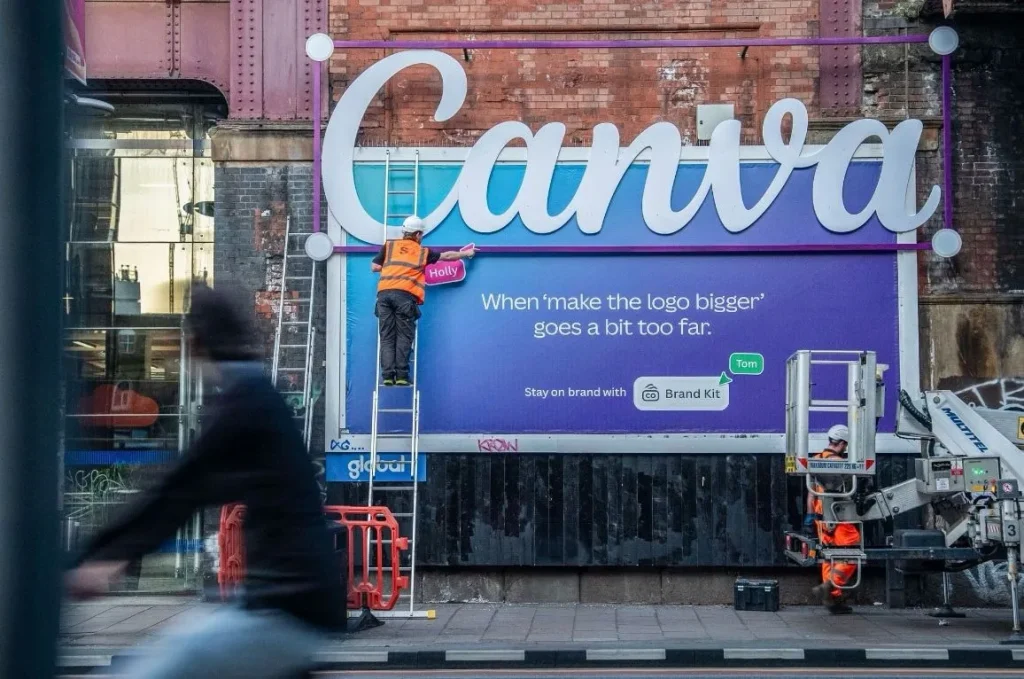
So, while print itself isn’t going out of fashion, its role has evolved. Brands are using print to break the mould, leaning on curiosity and creativity to create campaigns that resonate long after the first interaction.
What benefit does print media have?
Print offers several advantages for businesses, including:
- Strong support for brand recognition
- Longevity compared to digital content, allowing brands to revisit and reinforce historic branding
- Opportunities for targeted marketing through direct mail
- The ability to stand out in a crowded digital market
- A perception of authenticity and reliability, rooted in long-standing consumer trust
- A less intrusive experience, as print does not interrupt consumption in the way pop-ups or video ads can
- The ability to reach audiences who may feel overwhelmed by digital messaging
Print examples that stand out
When thinking about campaigns that stand out, the most memorable examples are often clever, playful, or simply well executed. One brand that comes to mind is Rhode Beauty, Hailey Bieber’s cosmetic brand. While the brand excels digitally, it successfully carries that identity into its physical packaging.
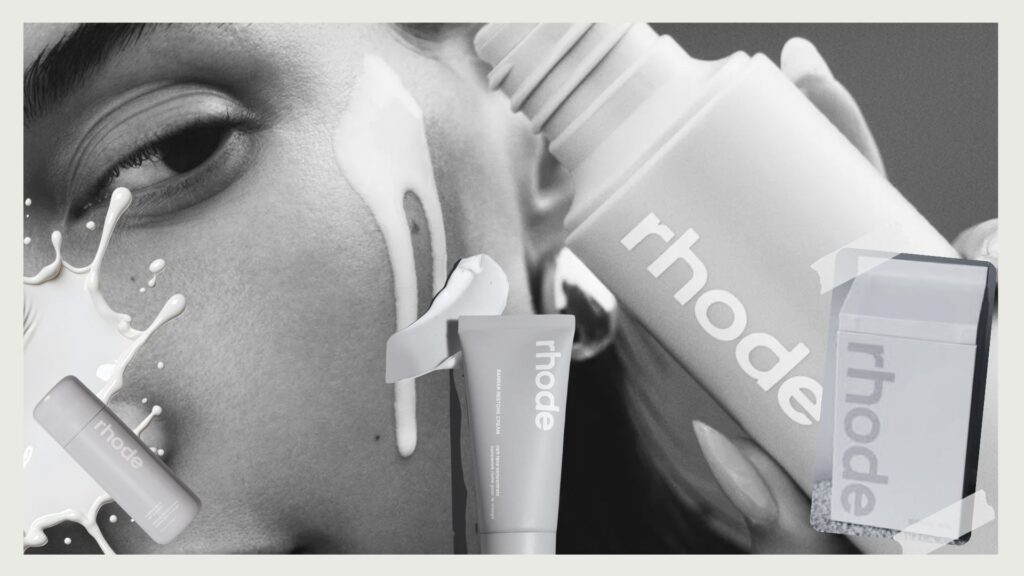
The Glazing Milk collection is a strong example. The milk carton-style box aligned perfectly with the product and brand identity, creating a memorable experience for recipients rather than simply delivering a product. The packaging generated excitement and conversation because it felt distinctive and intentional.
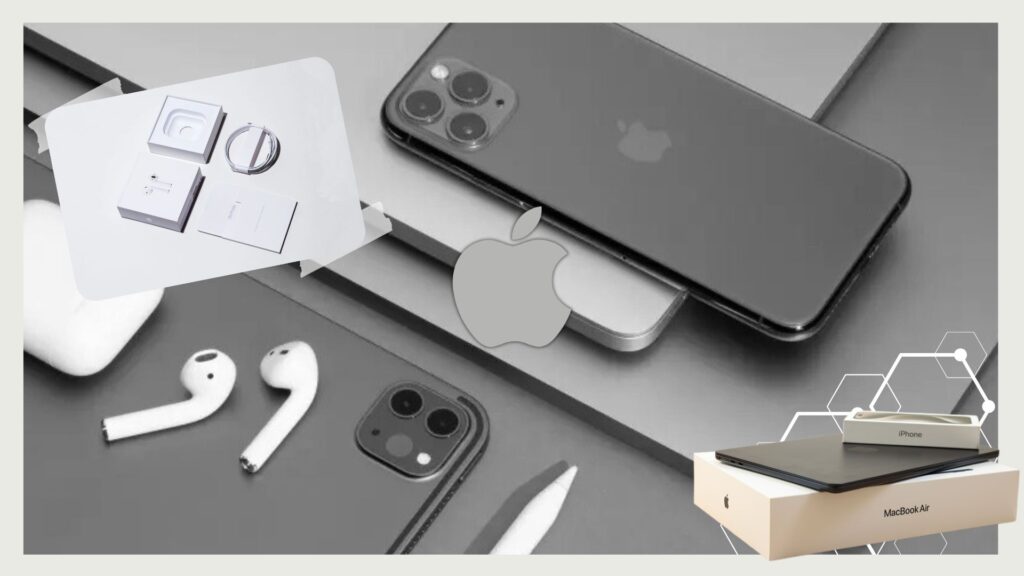
Apple is another key player when it comes to print and packaging. Its packaging is often retained for storing accessories or the product itself, reflecting both practicality and design quality. The sleek, compact presentation aligns with the brand’s premium positioning, while high-quality product imagery reinforces the overall luxury feel. Even without explicitly encouraging customers to keep the packaging, its aesthetic and functionality work in Apple’s favour.
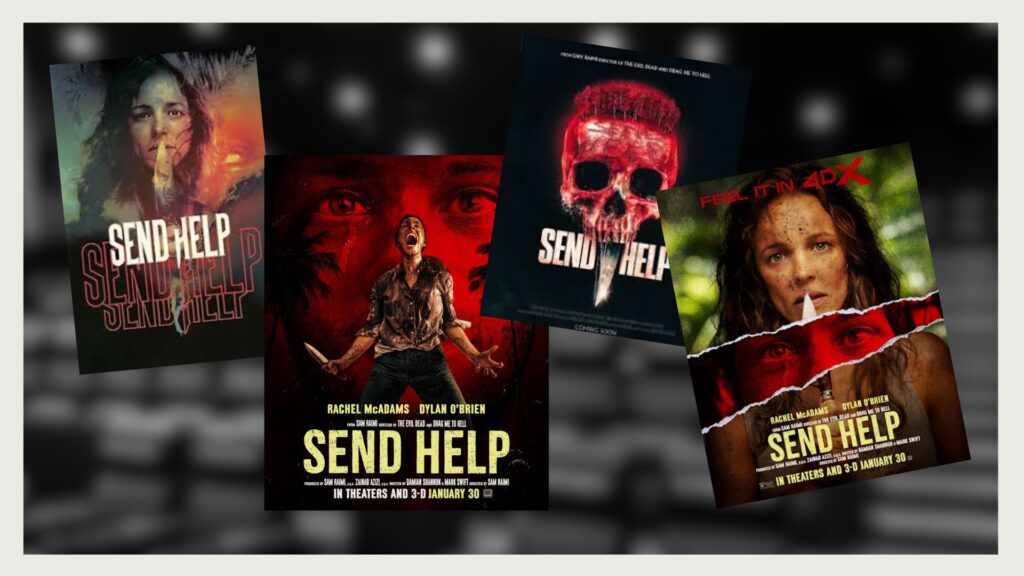
A sector that consistently utilises both print and digital promotion is the film industry, and it works. Audiences want to interact with media that helps them understand what a film is offering before they watch it. Print materials such as posters and billboards help signpost when and where a film can be seen, while also communicating genre, tone, and theme at a glance. Just as importantly, they give viewers an early glimpse of the characters and world of the film, creating familiarity and anticipation before release.
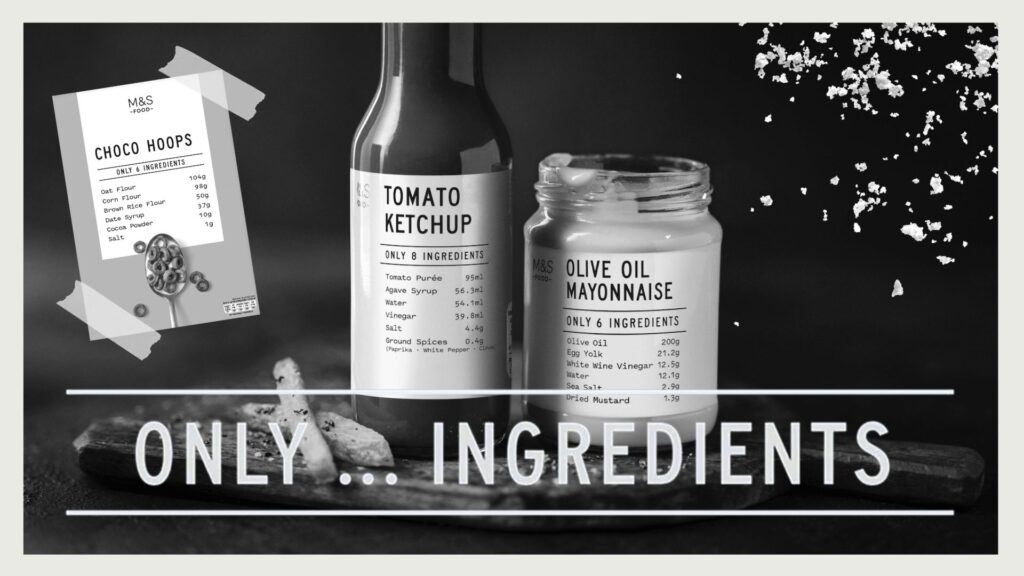
Another standout example is the M&S Only Ingredients range, recognised for its minimalistic packaging. The design is simple but highly effective, clearly communicating a stripped-back ingredient list. This minimal approach allows the product to stand out on shelves while reinforcing a sense of transparency and honesty. In this case, the packaging doesn’t attempt to elevate the product artificially; instead, it signals a clear shift toward openness about what’s inside.
Print media in 2026 is no longer about scale or dominance; it’s about intention and experience. When used thoughtfully, print complements digital activity by creating tangible moments that audiences remember. Whether through packaging, direct mail, or outdoor advertising, print gives brands an opportunity to slow the interaction down, create meaning, and reinforce identity in a way digital alone often cannot.
Rather than asking whether print is still relevant, the better question for marketers is how print can be used more creatively alongside digital to build campaigns that feel cohesive, memorable, and built to last.