
Maisie Lloyd
Maisie is the Digital Content Manager at Intelligency, handling all things creative for the agency. Her experience centres around the production of digital content, pertaining to graphic design, writing copy, and video and audio content.
What is product placement?
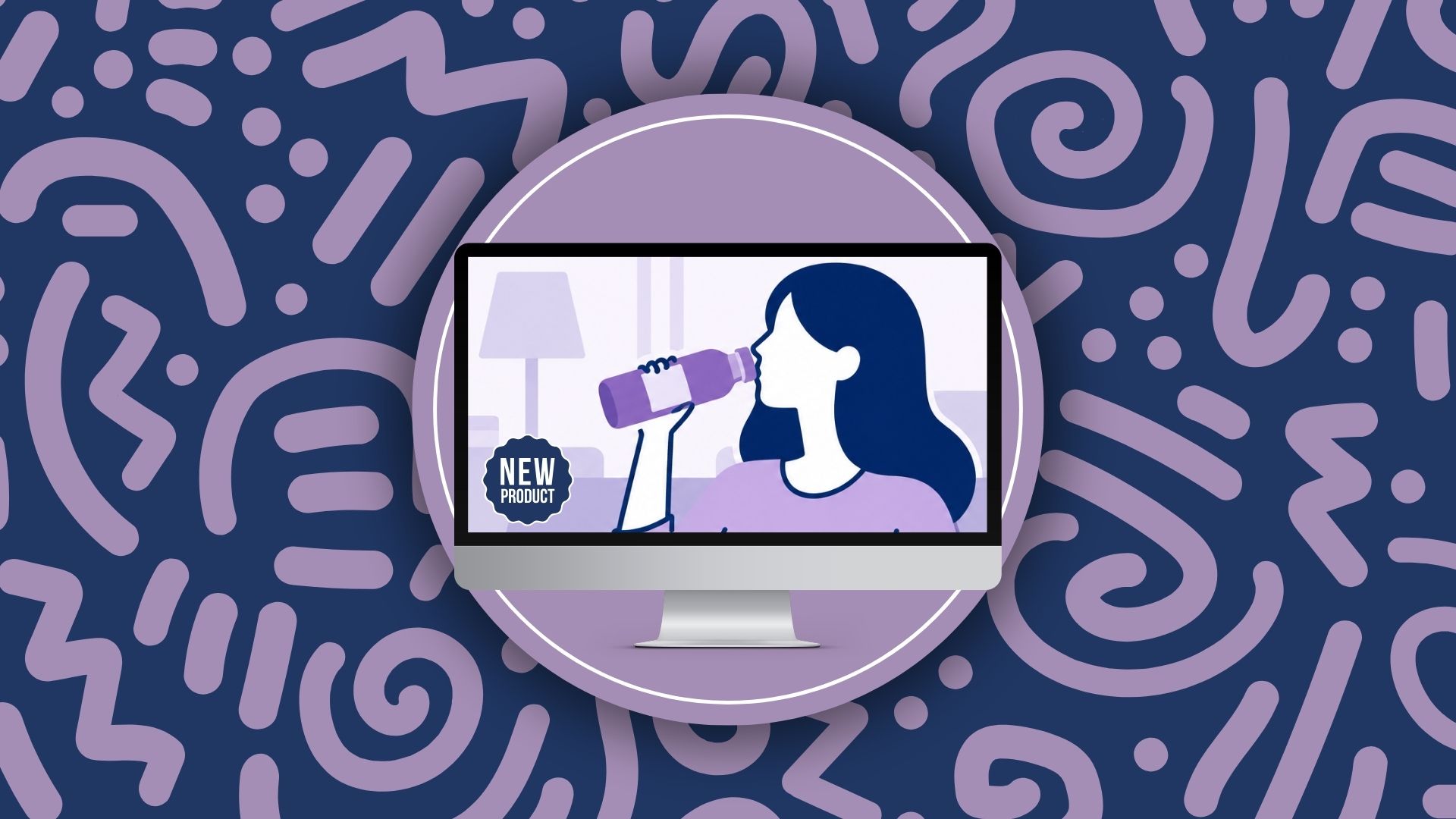
Product placement is a marketing tool where products are positioned within the frame, subtly promoting the item. Often done in different ways, whether that’s a character drinking the beverage being promoted or a food item positioned in the back of the frame for YouTube content.
Whether a character or individual acknowledges the product depends on the contract itself, but typically the represented product is an implicit feature, rather than explicitly stated.
Why is product placement used in film, TV, and casual consumable media?
Product placement seeks an alternative route to traditional marketing methods. Instead of depending on buying ad space online, bidding for keywords, or paying for ad slots on live TV channels, it focuses on approaches that almost always offer longevity.
Using product placement is a tool which presents a product in an unobtrusive manner. This absolutely can work for covertly encouraging and influencing audiences to think or buy a product. Some of the key reasons it works well for brands include:
- Implied endorsement, whether that’s from the film/ series/ video, or from an individual with whom audiences resonate.
- As mentioned above, these types of media often have a longer shelf-life, prolonging the exposure audiences have to product placements.
- Brands can select media with which the product will resonate.
- Targeting specific audiences, rather than projecting a product to audiences which may hold no relevance entirely.
- Assured visibility
- The overall cost and effort for creating a campaign is eliminated, relying on the media to do that element of marketing for them.
Examples of product placement currently:
Product placement is often there, even when we aren’t consciously recognising it whilst consuming content. While there are the occasional series, films and pieces of online content that make product placement explicit, there are many examples of product placement which are understated.
Verity, October 2026
Verity is fresh out of the gates, with its release just occurring. But fans have been quick to pick up on the subtle placement of the podcast ‘Call Her Daddy’ and a cameo of ‘Hot Ones’ where the character Verity is seen on it.
These types of product placements are non-traditional in that they promote two well-established media entities. Whilst also tapping into their popularity and recognisability to reinforce the character’s position of being well known. A really effective product placement that mutually benefits the film and the brands.
Spider-Man: Brand New Day, July 2026
The list of product placements for the latest Spider-Man film is quite long, with several large brands subtly endorsed throughout the film. With BMW taking prime screen time, Spider-Man leaps over the X3, giving BMW a moment to shine. Other brands include Liquid IV, Samsung and Little Caesars.
What works about these product placements is the interaction with the main character. It helps promote aspirational buying from audiences that want a feel for the way the character lives.
Love Island UK
Love Island 2026 saw the brand Poppi being promoted, just months after the brand launched in the UK. The product placement was incredibly tactical; the backdrop of Love Island, where all participants are known to influence across social media, directly influences the viewership of the show.
It taps into the culture of the show, aligning the product with the lifestyle and trendy aesthetic of contestants. It works well because the product is constantly in shots, repetitively reinforcing the product to audiences.

Is product placement a more effective marketing strategy than traditional methods?
Product placement isn’t in competition with traditional advertising methods. It doesn’t depend on an explicit campaign that pushes a salesy narrative. Instead, it builds familiarity through repeated exposure, creates associations and raises brand awareness gradually, rather than relying on a direct sales message.
Whether it works depends on the nature of the placement and how well it fits within the content. If the product feels natural within the media, audiences are more likely to associate it with the characters, creators or lifestyles they engage with, helping to build interest and influence perceptions of the brand.